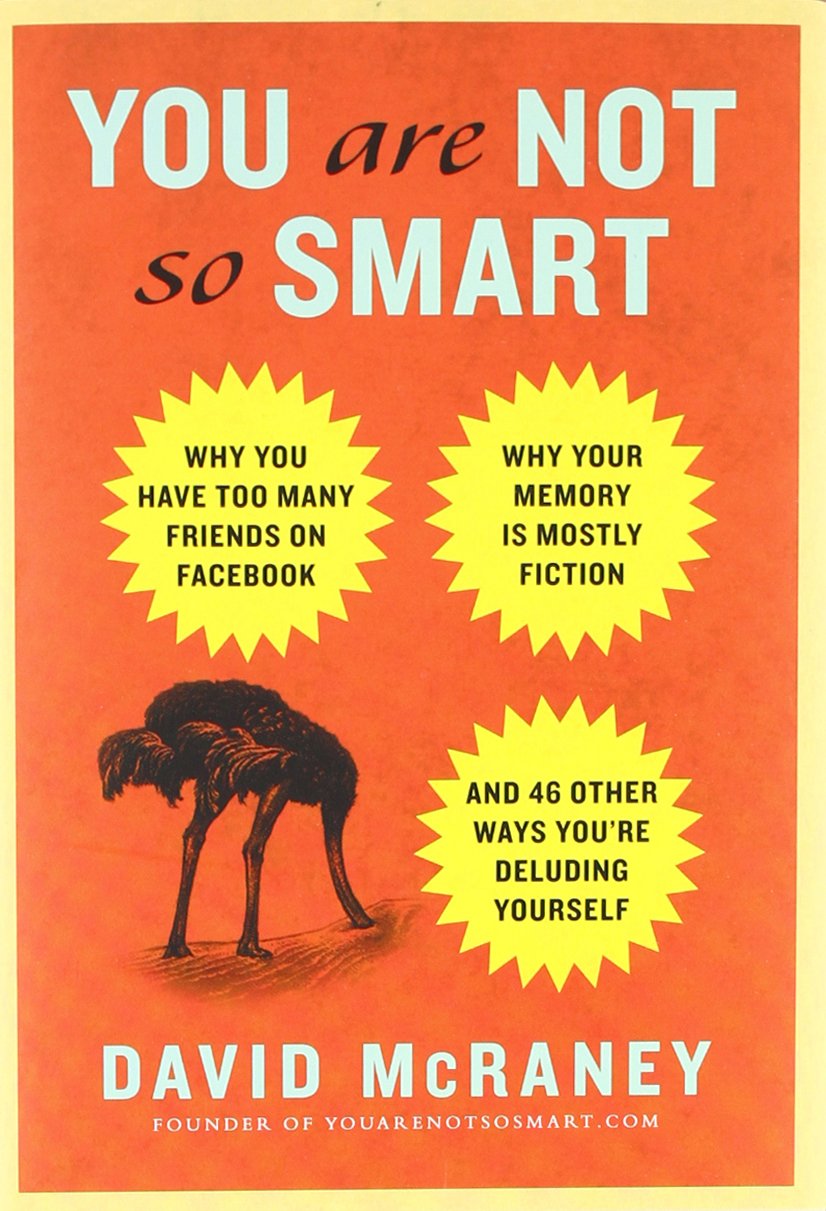
Someone gets shown clear evidence they're wrong and argues harder instead of backing down. It looks like stubbornness. It's actually a well-documented psychological mechanism with a strange origin story involving a $1 bill.
In a famous study, researchers paid people either $1 or $20 to tell someone a boring task was fun. The $20 group later admitted the task really was boring — they had an easy excuse for lying. But the $1 group, with no good excuse for such a small amount, ended up genuinely convincing themselves the task actually was fun. That's cognitive dissonance: when your actions and beliefs conflict, and there's no easy justification available, your brain changes the belief instead of sitting with the discomfort.
The video closes on why the evidence itself rarely works as a fix — dissonance isn't a logic problem, it's an identity-protection problem. Full breakdown of the study and what actually helps someone change their mind in the video above.