All videos
Every video, with the full write-up, sourcing notes, and related reading — updated as new ones go up, twice a week.
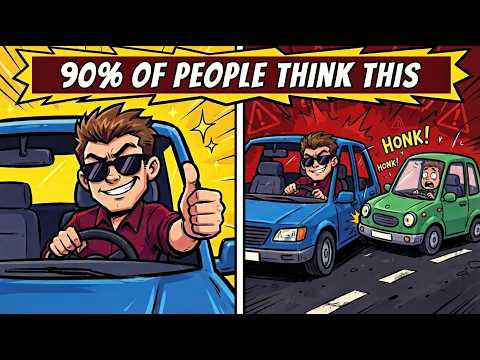
Why You Always Think You're a Better Driver Than Everyone Else
Nine out of ten drivers rate themselves as better than average — the psychology behind illusory superiority.

Why Losing $20 Feels Worse Than Finding $20 Feels Good
Loss aversion: why your brain weighs losses roughly twice as heavy as equivalent gains.

Why Online Arguments Escalate Faster Than In-Person Ones
Four mechanisms that turn a mild disagreement into a comment-section blowup — and why leaving the platform doesn't happen.
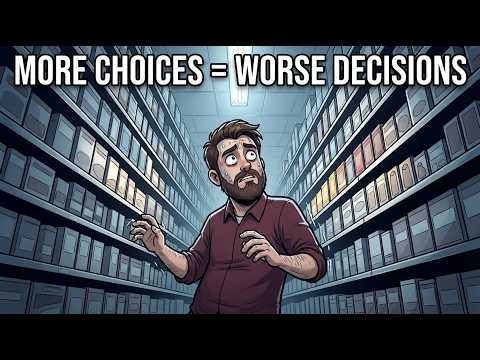
Why More Choices Make You Less Happy
The paradox of choice, decision fatigue, and why "good enough" often beats searching for the best option.

Why You Can't Admit You're Wrong
The $1 study that explains why the smartest people are often the worst at admitting fault.
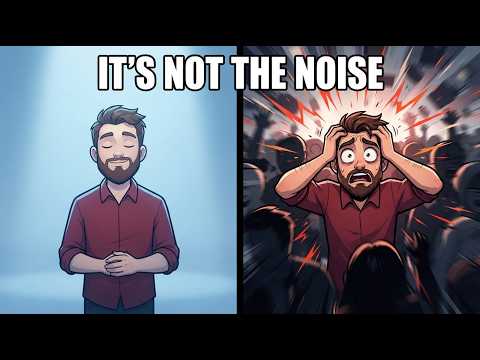
Why Crowded Places Make You Want to Leave
Three mechanisms that explain the exhaustion — and why the recovery has a real lag.

The Pigeon Experiment That Explains Your Phone Addiction
Skinner's variable-reward pigeons, and why unpredictable rewards are harder to walk away from than reliable ones.
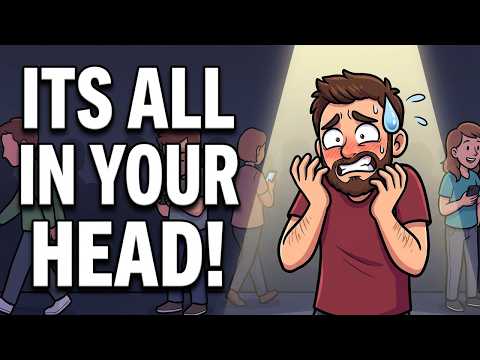
The Truth About Being Watched (It's All in Your Head)
The spotlight effect: why you overestimate how much anyone else is actually noticing you.

Why You Crave Bad News Daily
Negativity bias, an ancient threat-scanner, and why the news is designed to keep it firing.

Why Bad News Spreads Faster Than Good News
A 126,000-story MIT study on why false and negative news outpaces the true and neutral kind.

Why You Assume a Confident Person Is a Competent Person
Why confidence reads as a status signal, independent of whether it's actually backed by skill.

Why Your Brain Loves Unfinished Tasks
The Zeigarnik effect: why an open loop sticks in memory long after a closed one fades.

Why You Mimic Strangers Unconsciously
The chameleon effect: the unconscious mimicry that builds rapport before you notice it's happening.

Why You Trust First Impressions Blindly
Thin-slicing: how a 10-second silent clip predicted a full semester of teacher evaluations.

Why You Look Away When Someone Makes Eye Contact
The intimacy equilibrium and gaze aversion: why a three-second glance away is almost never what it looks like.