Sensory Psychology

Why Crowded Places Make You Want to Leave

You didn't do anything physical, nobody bumped into you, nothing went wrong — but a crowded grocery store still leaves you drained and irritable an hour later.

You didn't do anything physical, nobody bumped into you, nothing went wrong — but a crowded grocery store still leaves you drained and irritable an hour later. The exhaustion is real, and it's not really about the noise.

The video breaks down what's actually happening: your brain's processing limit gets genuinely overwhelmed by the sheer volume of moving stimuli, unpredictable movement is harder on your nervous system than loud but predictable stimulation, and every stranger nearby quietly triggers tiny unconscious social calculations — distance, eye contact, who's about to cross your path. Stack all three together and you get real cognitive fatigue, even though nothing dramatic happened.

Leaving the crowd doesn't instantly fix it — there's a lag while your nervous system winds back down, which is exactly why you can still feel wired an hour after you've left.

The video closes on that lag specifically, and why the recovery time itself is proof this is a real physiological load, not just a mood. Full breakdown of all three mechanisms and the recovery pattern in the video above.

↗ See how this video was made Full prompts, tool settings, and channel growth data on The AI Build Lab

Related reading

Books that go deeper into the ideas covered in this video.

Thinking, Fast and Slow cover

Thinking, Fast and Slow

Daniel Kahneman
Kahneman's System 1/System 2 framework explains why a crowd forces your brain into constant fast, reactive processing — which is precisely what wears you out.
View on Amazon
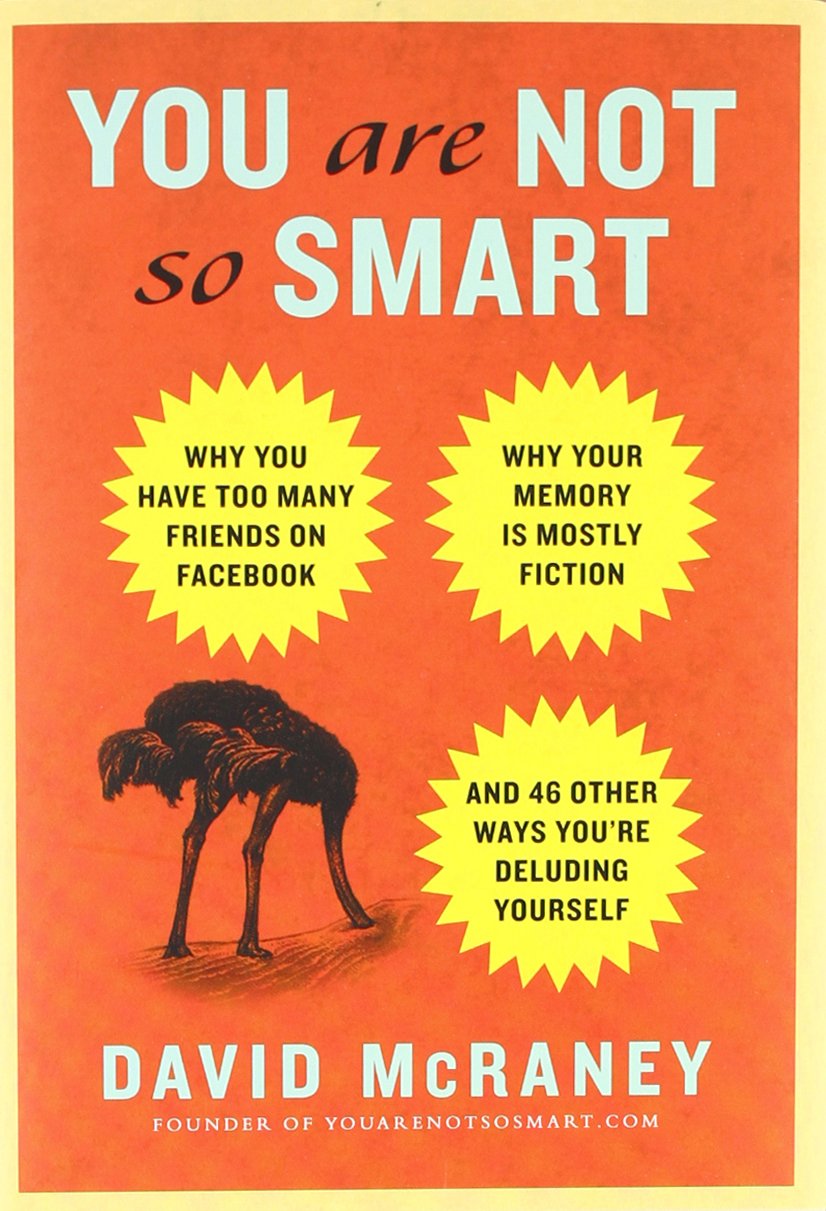
You Are Not So Smart cover

You Are Not So Smart

David McRaney
An accessible tour through self-delusion and everyday cognitive traps, including why crowded, unpredictable environments quietly drain more energy than we realize.
View on Amazon
Mistakes Were Made (But Not by Me) cover

Mistakes Were Made (But Not by Me)

Tavris & Aronson
Not directly about crowds, but a sharp look at how the brain quietly manages overload and discomfort without you noticing it's happening.
View on Amazon