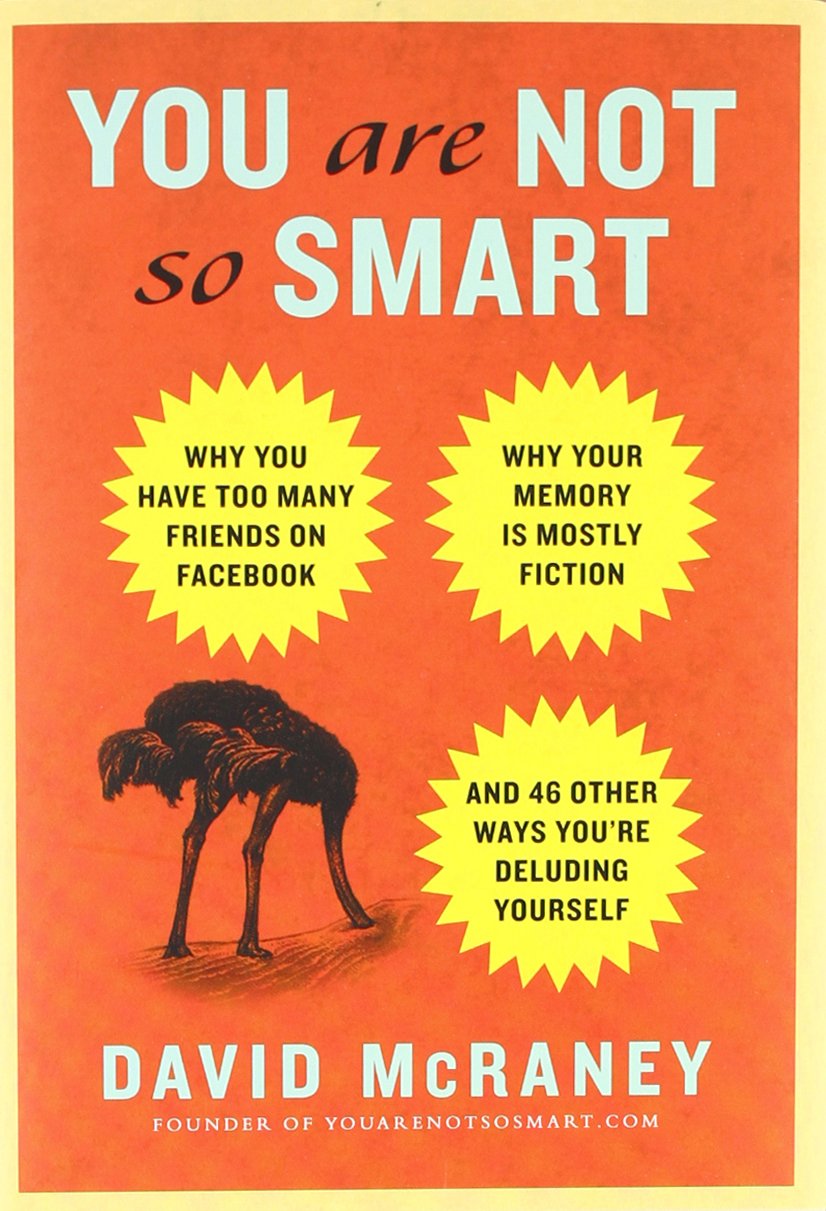
Roughly nine out of ten drivers rate themselves as better than average. Statistically, that can't be true for most of them — and yet almost nobody believes they're the exception.
Psychologists call this illusory superiority, and while studies on the exact number vary — findings range from about 73% to 93% depending on the study — the pattern holds consistently across decades of research. The video walks through four separate mechanisms behind it: an "asymmetric insight" effect where you see the full context behind your own mistakes but only the outcome of everyone else's, a self-image protection system that shows up in unrelated traits like leadership and morality too, a skill-versus-luck confusion where near-misses get quietly filed as proof of competence, and a resistance to correction — being shown the actual statistics barely moves anyone's self-rating, because the bias isn't really a logic problem.
The video closes on what actually helps, and it's not "try to feel less confident." It's building fixed habits — following distance, phone placement, treating near-misses as data — that don't depend on noticing the bias in the moment, since by definition, you won't. Full breakdown and reasoning in the video above.